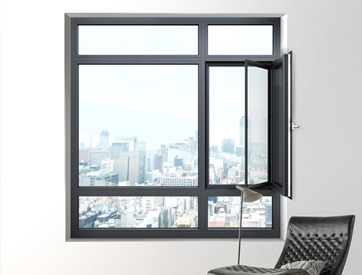
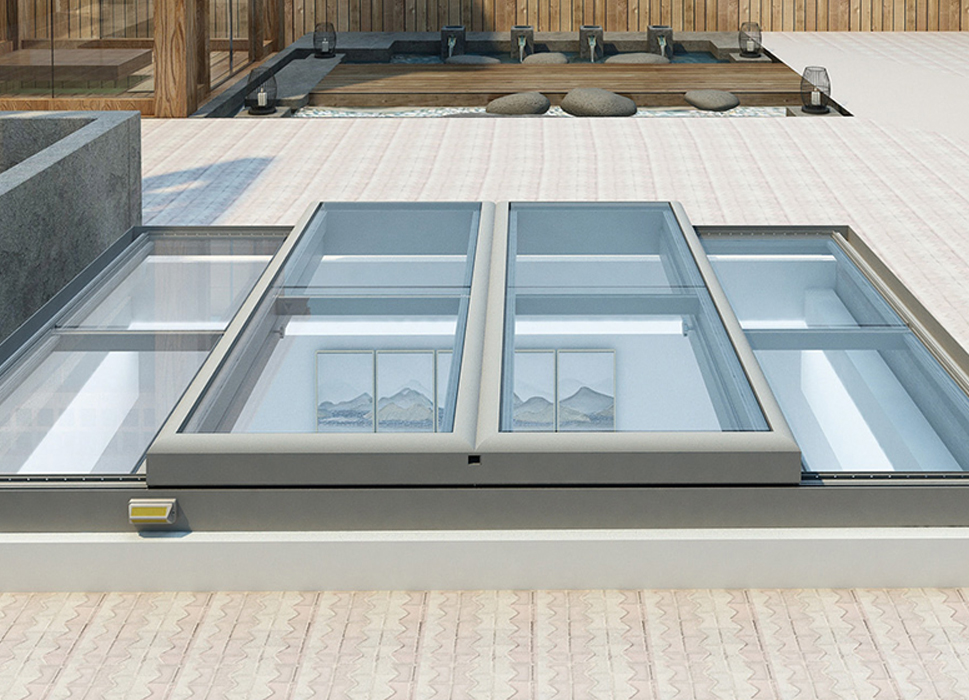
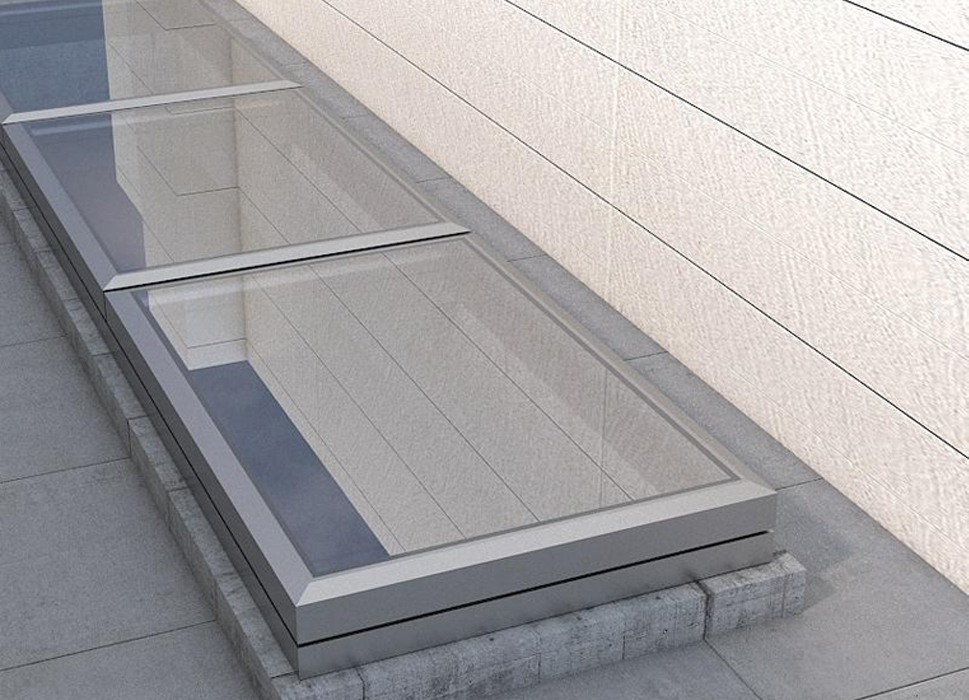
Skylights are architectural features designed to allow natural light into interior spaces through openings in the roof or ceiling. They serve both practical and aesthetic purposes, enhancing the functionality and ambiance of residential, commercial, and industrial buildings.
Key Applications of Skylights
1.Residential Buildings
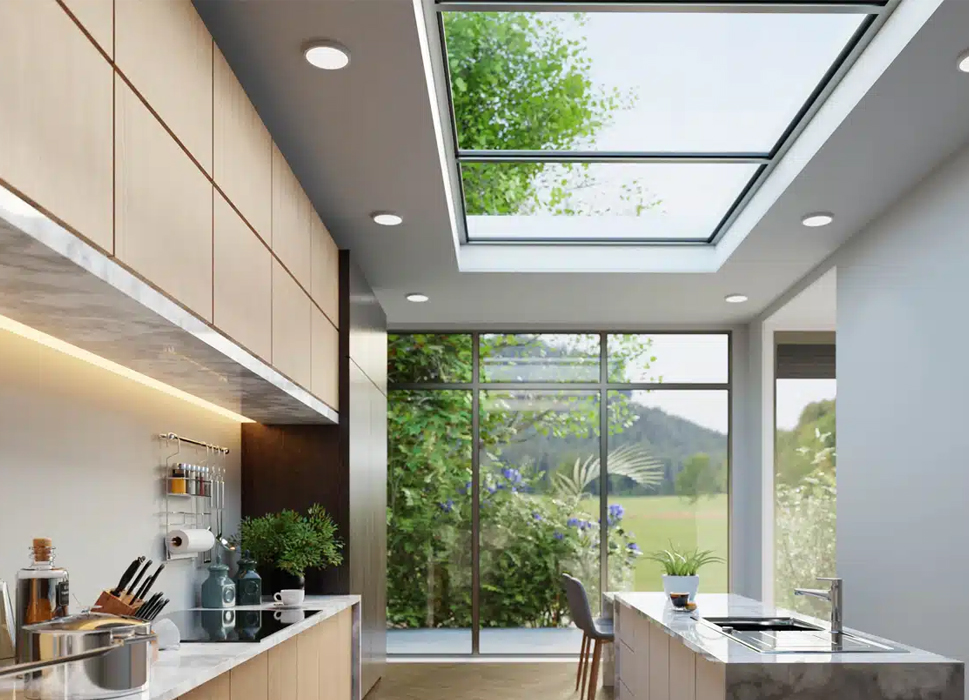
- Living Spaces: Skylights brighten living rooms, kitchens, and dining areas, reducing the need for artificial lighting during the day.
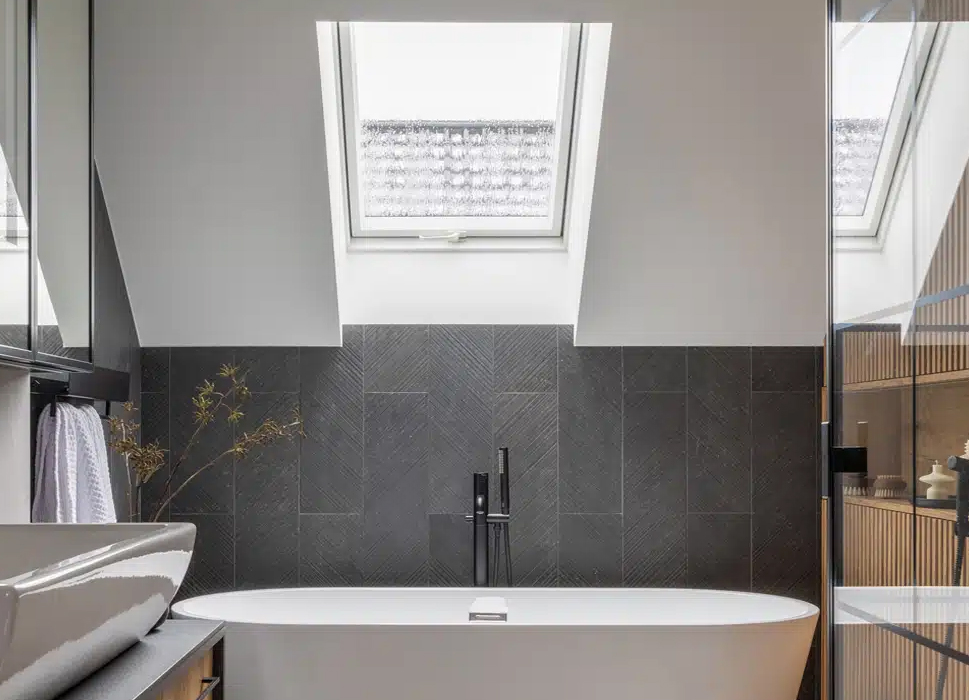
- Bathrooms: Strategically placed skylights provide privacy while allowing natural light and ventilation.
- Attics & Hallways: They illuminate dark, windowless areas, making them more usable and inviting.
2.Commercial & Public Spaces
- Offices: Skylights improve workplace well-being by increasing daylight exposure, which can boost productivity and mood.
- Retail Stores: Natural lighting enhances product displays and creates a more pleasant shopping environment.
- Museums & Galleries: Specialized skylights with UV filters help illuminate artworks without causing damage.
3.Industrial & Sustainable Buildings
- Warehouses & Factories: Large skylights reduce reliance on electric lighting, lowering energy costs.
- Green Buildings: Skylights contribute to energy-efficient designs, supporting LEED certification and passive solar heating.
Primary Functions of Skylights
1.Natural Lighting
- Maximizes daylight, reducing electricity consumption and creating a connection to the outdoors.
2.Ventilation
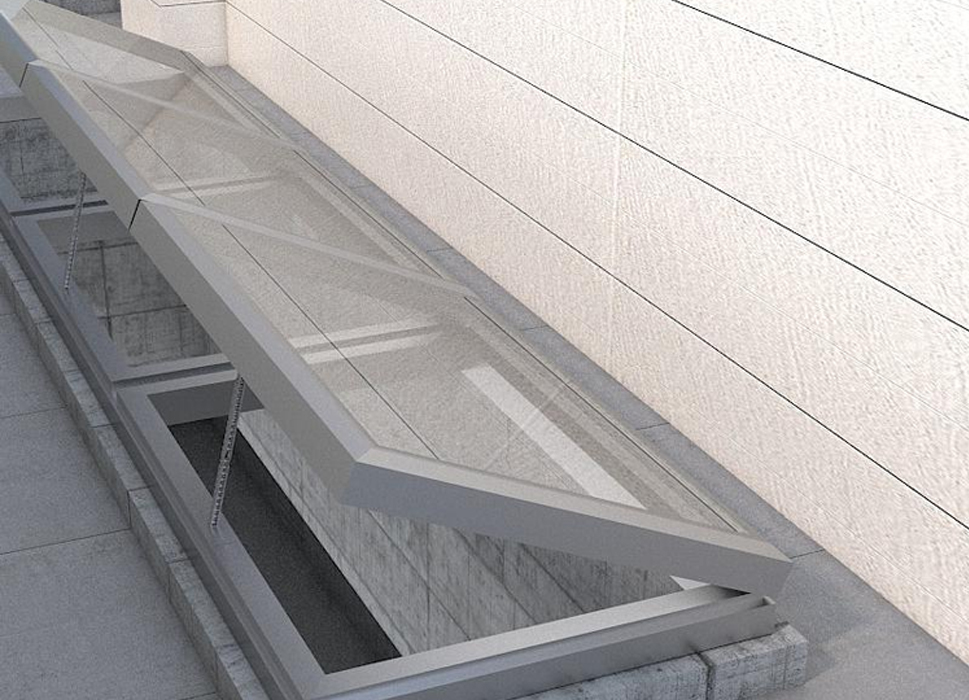
- Operable skylights promote airflow, helping to regulate indoor temperature and improve air quality.
3.Energy Efficiency
- Properly installed skylights can help with passive solar heating in winter while minimizing heat gain in summer when combined with shading.
4.Aesthetic Enhancement
- Adds visual interest to ceilings, creates a sense of openness, and can frame views of the sky.
5.Health & Well-being
- Exposure to natural light supports circadian rhythms, improving sleep and overall mental health.
Skylights are versatile architectural elements that enhance both functionality and design. By optimizing natural light, ventilation, and energy efficiency, they improve living and working environments while contributing to sustainable building practices.


 Casement
Windows
Casement
Windows Sliding
Windows
Sliding
Windows Awning
Windows
Awning
Windows Single/Double
Hung Windows
Single/Double
Hung Windows Tilt
& Turn Windows
Tilt
& Turn Windows Bay
& Bow Windows
Bay
& Bow Windows Folding
Windows
Folding
Windows Picture
Windows
Picture
Windows  Specialty
Windows
Specialty
Windows Exterior Doors
 Stacking Doors
 Folding
Doors
Folding
Doors Double Doors
 Casement
Doors
Casement
Doors Sliding Doors
 Skylight
 Sunroom
 Garage
Door
Garage
Door Curtain
Wall
Curtain
Wall Glass
Railing
Glass
Railing