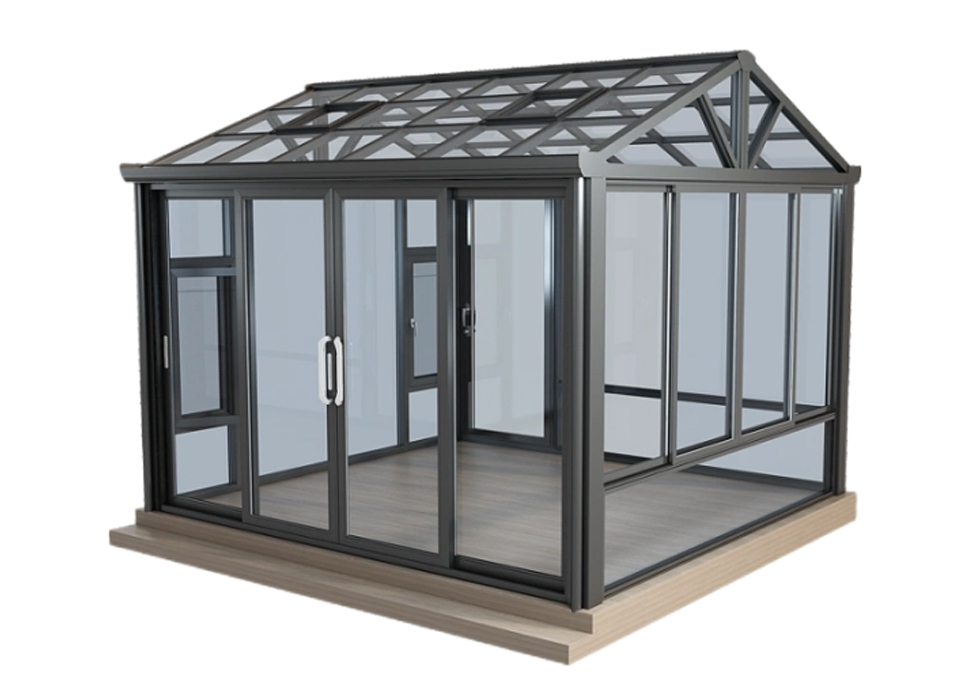
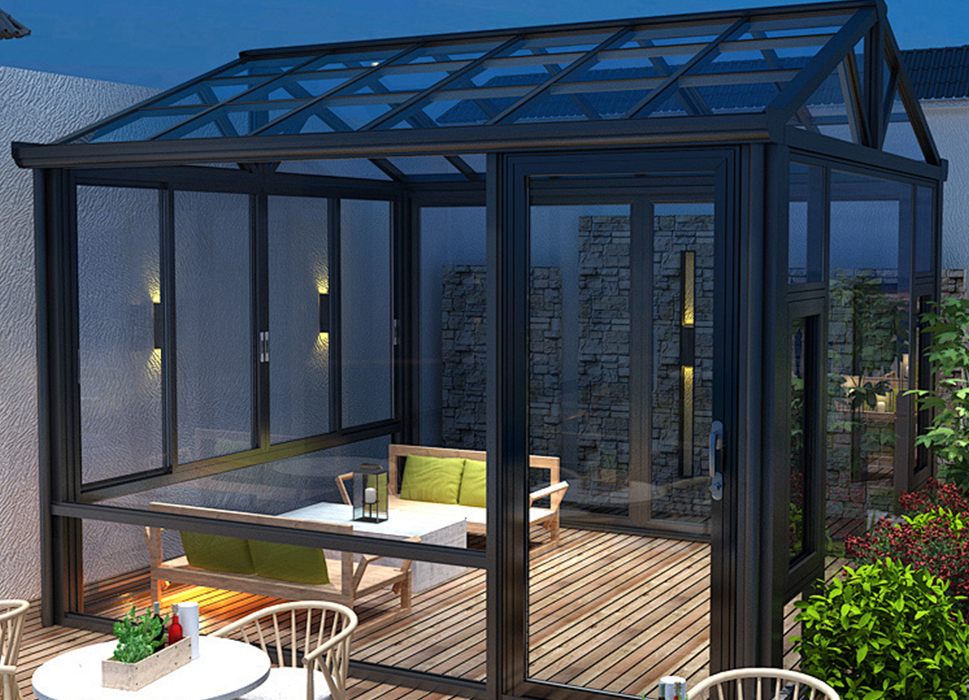
A sunroom, as an extension of modern living spaces, not only provides a comfortable area for relaxation but also allows residents to connect more closely with nature. Unlike attached sunrooms that rely on the main building, a freestanding sunroom (standalone design) offers unique advantages, making it a perfect fit for gardens, courtyards, or patios—truly becoming a highlight of any home.
Advantages of a Freestanding Sunroom
1. Flexible Location, Unrestricted by Building Layout
- Traditional sunrooms are typically attached to the main house, whereas freestanding sunrooms can be independently constructed in gardens, courtyards, or patios without being constrained by existing structures.
- You can choose the optimal location for sunlight exposure, maximizing natural light.
2. Enhanced Privacy, a Self-Contained Retreat
- The standalone design avoids direct connection to the main house, making it ideal for use as a private study, yoga room, tea lounge, or guest area, minimizing disturbances from other family members.
- If used as a home office or studio, it provides a quieter, more focused environment.
3. Greater Design Freedom, Diverse Styles
- Since it is not limited by the main building’s structure, a freestanding sunroom can adopt more personalized shapes, such as domed, sloped, polygonal, or fully glazed modern designs.
- It can incorporate various materials, such as aluminum-glass (modern), wood (natural), or steel (industrial), catering to different aesthetic preferences.
4. Expanding Outdoor Living, Enjoyable Year-Round
- A freestanding sunroom can serve as an outdoor lounge, greenhouse, or sunlit dining area, allowing homeowners to enjoy the outdoors even in rain or winter.
- Equipped with retractable skylights, sunshades, or smart climate control, it ensures ventilation in summer and warmth in winter, enhancing comfort.
5. Boosts Property Value, Optimizes Outdoor Space
- In villas or homes with gardens, a freestanding sunroom enhances the functionality of outdoor spaces, preventing underutilized areas.
- A well-designed sunroom can also increase property value, becoming a standout feature for future resale.
How to Create the Perfect Freestanding Sunroom?
1. Location and Orientation
- South or southeast-facing: Ensures ample sunlight, ideal for lounging or as a greenhouse.
- Avoid tall trees or building shadows: Prevents obstruction of natural light.
2. Sturdy Structure, Climate-Adaptive
- In windy or snowy regions, opt for stronger steel frames or reinforced glass.
- Foundation preparation: A freestanding sunroom requires proper ground hardening or raised flooring to prevent moisture damage.
3. Customized Functionality, Tailored to Needs
- Leisure & entertainment: Furnish with sofas, coffee tables, and plants for a relaxing space.
- Greenhouse gardening: Use high-transparency glass with added ventilation.
- Multi-purpose studio: Incorporate soundproofing and insulation for an office or creative workspace.
4. Smart Features for Enhanced Experience
- Motorized shades: Automatically adjust lighting to prevent summer overheating.
- Smart climate control: Pair with underfloor heating or AC for year-round comfort.
- UV-resistant glass: Protects furniture from sun damage.
High-Quality, Cost-Effective Sunroom Solutions
A freestanding sunroom not only elevates your lifestyle but also maximizes the utility of outdoor spaces. Choosing a professional manufacturer ensures structural safety, fine craftsmanship, and competitive pricing.
Made in Foshan, China – Direct factory source, strict quality control, and unbeatable prices for premium custom sunrooms!
Whether you prefer a modern minimalist look, a natural wooden aesthetic, or a classic European design, a freestanding sunroom can become a distinctive feature of your home, bringing you closer to nature.


 Casement
Windows
Casement
Windows Sliding
Windows
Sliding
Windows Awning
Windows
Awning
Windows Single/Double
Hung Windows
Single/Double
Hung Windows Tilt
& Turn Windows
Tilt
& Turn Windows Bay
& Bow Windows
Bay
& Bow Windows Folding
Windows
Folding
Windows Picture
Windows
Picture
Windows  Specialty
Windows
Specialty
Windows Exterior Doors
 Stacking Doors
 Folding
Doors
Folding
Doors Double Doors
 Casement
Doors
Casement
Doors Sliding Doors
 Skylight
 Sunroom
 Garage
Door
Garage
Door Curtain
Wall
Curtain
Wall Glass
Railing
Glass
Railing